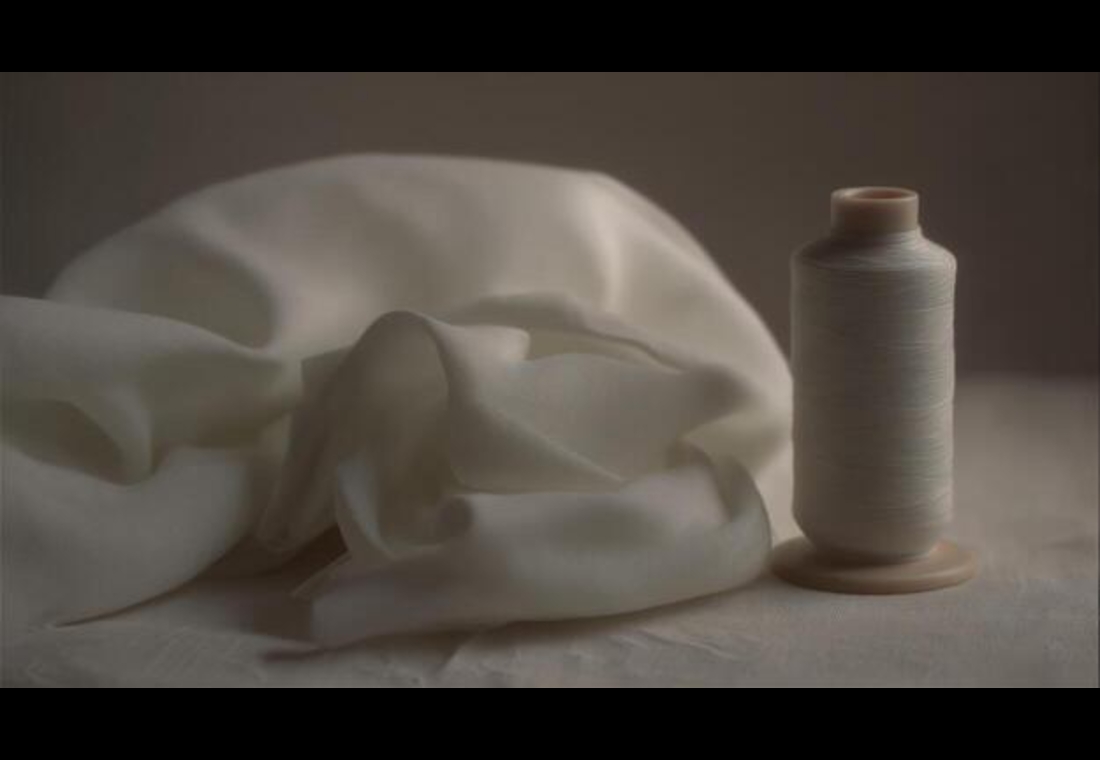
Viscose is a
manufactured fiber made from regenerated cellulose and is especially known for
its soft feel, attractive drape, and comfortable character. It is widely used
in dresses, blouses, skirts, trousers, linings, and many other types of
clothing.
Its raw material usually comes from plant-based sources such
as wood pulp, but processing is required to transform the cellulose into a
textile fiber. For this reason, viscose is not considered a natural fiber like
cotton or linen; it is classified as a regenerated cellulose fiber.
----------------------------------------
What Is Viscose?
Viscose is made from cellulose, a natural component found in
plants. The cellulose is processed, dissolved, and then re-formed into fine
fibers that can be turned into yarn and fabric.
The term rayon is also commonly encountered. Rayon is a
broader term for certain regenerated cellulose fibers, while viscose is the
most common type of rayon and is produced using the viscose process. In
European textile labeling, the term viscose is generally used.
----------------------------------------
How Is Viscose Made?
Without going into complex chemical detail, viscose
production can be described in a few basic stages:
1. Preparing the Cellulose
The process begins with cellulose, usually obtained from wood pulp.
2. Creating the Solution
The cellulose is processed to create a thick solution suitable for fiber production.
3. Forming the Fibers
The solution passes through very small openings and the cellulose is formed again into fine continuous fibers.
4. Washing and Preparation
The new fibers are cleaned and prepared to achieve the characteristics required for textile production.
5. Yarn and Fabric Production
The fibers are made into yarns and then woven or knitted to create the finished fabric.
----------------------------------------
Key Characteristics
Viscose is widely used because it combines a pleasant feel
with excellent drape and can be made into many different types of fabric.
Soft Feel
Viscose can create very soft and comfortable fabrics, making it suitable for garments worn directly against the skin.
Elegant Drape
One of its most characteristic advantages is its fluid drape, which makes it especially popular for dresses, skirts, and blouses.
Good Absorbency
It absorbs moisture effectively and can provide a comfortable feel in warm conditions.
Good Breathability
Many viscose fabrics allow good air circulation, depending on the construction and weight of the fabric.
Rich Colors
Viscose dyes readily and can produce rich, vibrant colors.
----------------------------------------
Advantages
- Very soft and pleasant feel.
- Beautiful, fluid drape.
- Good moisture absorption.
- Good breathability in many fabric constructions.
- Suitable for lightweight and comfortable
garments.
- Easy to dye and capable of producing vibrant
colors.
- Can resemble more expensive materials in feel
and appearance, depending on the fabric construction.
- Blends easily with other fibers.
----------------------------------------
Disadvantages
Although viscose offers excellent feel and appearance, it
requires more careful use and maintenance than many synthetic fibers.
- Its strength decreases when wet, particularly in conventional viscose
- Its strength decreases when wet, particularly in conventional viscose
- May shrink or lose its shape if the correct care instructions are not followed
- Has a tendency to wrinkle
- May require more careful washing and drying
- Its resistance to abrasion and hard wear is
generally lower than that of durable synthetic fibers such as polyester.
----------------------------------------
Common Uses
Viscose is highly versatile and is used in a wide variety of
apparel fabrics and other applications.
Apparel
- Dresses
- Blouses
- Shirts
- Skirts
- Trousers
- Jumpsuits
- Summer clothing
- Linings
Knitted and Stretch Fabrics
- Jersey tops
- Jersey dresses
- Comfortable everyday clothing
- Fabrics blended with elastane
Other Applications
- Scarves and accessories
- Decorative textiles
- Certain household textiles
----------------------------------------
Why Is Viscose Often Blended with Other Fibers?
Viscose is frequently used in blended compositions so that
its softness and drape can be combined with different properties provided by
other fibers.
For example:
·
Viscose +
Polyester: Combines viscose's soft feel and drape with greater durability,
stability, and easier care.
·
Viscose +
Elastane: Adds stretch, improves fit, and provides greater comfort.
·
Viscose +
Linen: Can create cool fabrics with a softer feel and more fluid drape than
pure linen.
·
Viscose +
Cotton: Combines two cellulose-based fibers and can provide softness,
absorbency, and a different drape.
----------------------------------------
Care Instructions
Prοper care is particularly important to help viscose retain
its shape and appearance:
·
Always follow the care instructions on the
specific product label.
·
Where washing is permitted, choose a gentle
cycle and low temperature.
·
Avoid aggressive wringing or rough handling
while the fabric is wet.
·
Dry the fabric in a way that minimizes
distortion, following the care label.
·
Iron at a low to medium temperature according to
the product instructions.
·
Some viscose garments or fabrics may require dry
cleaning.
----------------------------------------
Frequently Asked Questions (FAQ)
Is viscose a natural fiber?
Not exactly. Its raw material is natural plant-based cellulose, but the fiber is created by processing and regenerating that cellulose. It is therefore classified as a regenerated cellulose fiber.
Is viscose the same as rayon?
Viscose is a type of rayon and the most widely used rayon manufacturing process. In the European market and on composition labels, the term viscose is generally used.
Is viscose suitable for summer clothing?
Yes. Its absorbency, soft feel, and the good breathability of many viscose fabrics make it particularly popular for summer garments.
Does viscose wrinkle easily?
Conventional viscose has a tendency to wrinkle, although its behavior depends on the fabric construction, finishing treatments, and any fibers with which it is blended.
Can viscose shrink?
Yes. Some viscose fabrics may shrink or lose their shape if washed or dried incorrectly, which is why following the care label is important.
----------------------------------------
Summary
Characteristic |
Rating |
Durability |
⭐⭐⭐☆☆ |
Breathability |
⭐⭐⭐⭐☆ |
Moisture Absorption |
⭐⭐⭐⭐⭐ |
Elasticity |
⭐⭐☆☆☆ |
Wrinkle Resistance |
⭐⭐☆☆☆ |
Ease of Care |
⭐⭐⭐☆☆ |
Drape |
⭐⭐⭐⭐⭐ |
Softness / Comfort |
⭐⭐⭐⭐⭐ |
----------------------------------------
Discover Viscose Fabrics
If you're looking for fabrics with a soft feel, beautiful drape, and comfortable character, explore our collection of fabrics containing viscose. In our store, you'll find options suitable for dresses, blouses, trousers, and many other apparel applications.
----------------------------------------
Related Products
➡️ 1. 100% Viscose with Daisies Multi-Colored - 150cm
Material: Viscose, Pattern: Multi-Color, Material Type: Organic, Elasticity: Non-Elastic, Composition: 100% Viscose
➡️ 2. Muslin Ombre Viscose 2-Colored - 150cm
Material: Muslin, Pattern: Multi-Color, Material Type: Organic, Elasticity: Non-Elastic, Composition: 100% Viscose
➡️ 3. Brocade with Stripes Viscose Single-Colored - 140cm
Material: Jacquard/Brocade, Pattern: Single-Color, Material Type: Organic, Elasticity: Non-Elastic, Composition: 100% Viscose
----------------------------------------
Discover Μore Ηere