Polyester: What Is It and Why Is It One of the World's Most Popular Textile Fibers?
Polyester is one of the world's most widely used synthetic fibers. It is found in countless applications, from everyday clothing and sportswear to upholstery fabrics, curtains, and industrial textiles. Its popularity is mainly due to its exceptional durability, easy maintenance, and cost-effective production.
Today, a significant percentage of fabrics available on the market contain polyester, either as a single fiber or blended with natural or other synthetic fibers, providing greater durability and extending the lifespan of the finished fabric.
----------------------------------------
What Is Polyester?
Polyester is a synthetic fiber, meaning it is not derived from natural raw materials such as cotton or wool. Instead, it is produced through chemical processes using raw materials primarily derived from petroleum, which are transformed into highly durable polymers.
The most common type of polyester used in the textile industry is PET (Polyethylene Terephthalate). PET is also widely used in the production of plastic packaging. However, when manufactured for textile applications, it undergoes a different process to create fine, flexible, and durable fibers suitable for weaving and knitting.
----------------------------------------
How Is Polyester Made?
Polyester production consists of several stages:
1. Polymer Production
Chemical compounds derived mainly from petroleum react together to form long polymer chains.
2. Melting
The polymer is heated until it reaches a molten state.
3. Fiber Extrusion
The molten material is forced through extremely small holes called spinnerets, creating continuous filaments.
4. Cooling and Drawing
The fibers are cooled and stretched to improve their strength, stability, and flexibility.
5. Yarn Production
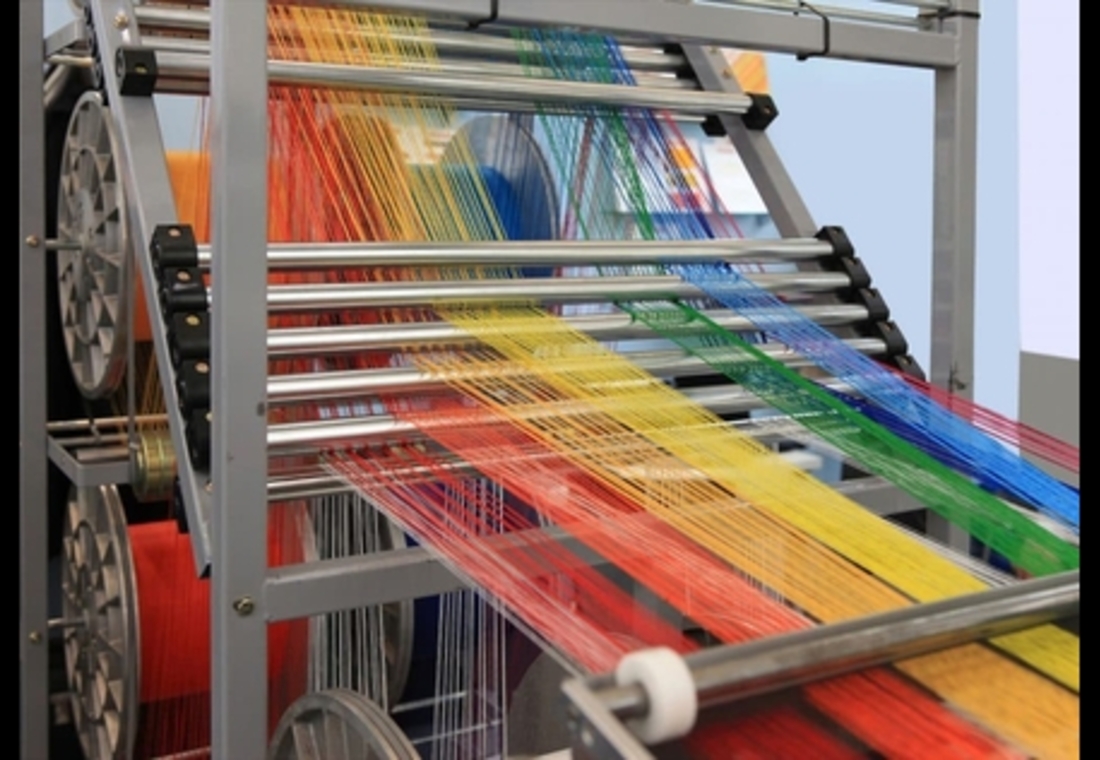
The fibers are twisted or spun together to produce yarns suitable for weaving or knitting.
6. Fabric Manufacturing
The yarns are woven or knitted into fabric, which can then be dyed or treated with special finishes such as water repellency, anti-static protection, or UV resistance.
----------------------------------------
Key Characteristics
Polyester has several properties that make it one of the most popular fibers in the textile industry.
High Durability
It withstands frequent use, abrasion, and repeated washing without wearing out easily.
Wrinkle Resistance
Unlike many natural fibers, polyester resists wrinkling and usually requires little or no ironing.
Shape Retention
It maintains its original shape after repeated washing and offers excellent resistance to shrinking or deformation.
Low Moisture Absorption
Polyester absorbs very little moisture, allowing it to dry quickly.
Weather Resistance
It performs well when exposed to sunlight and humidity, making it suitable for many indoor and outdoor applications.
----------------------------------------
Advantages
-
Exceptional durability and long lifespan.
-
Excellent resistance to wear and tear.
-
Highly wrinkle resistant.
-
Quick drying.
-
Retains its original shape.
-
Withstands frequent washing.
-
Excellent color retention.
-
More affordable than many natural fibers.
-
Easily blended with other fibers to improve the overall performance of the finished fabric.
----------------------------------------
Disadvantages
Despite its many advantages, polyester also has certain limitations.
-
It is less breathable than natural fibers such as cotton and linen.
-
It may feel warm in very hot weather.
-
It has a tendency to generate static electricity.
-
It is sensitive to very high ironing temperatures.
-
Traditionally, it is produced from non-renewable petroleum resources, although the use of recycled polyester continues to increase.
----------------------------------------
Common Uses
Polyester is one of the most versatile textile fibers and is used in a wide variety of applications.
Apparel
-
Dresses
-
Shirts
-
Trousers
-
Skirts
-
Sportswear
-
Jackets
-
Sweatshirts
-
Workwear
Home Décor
-
Curtains
-
Upholstery fabrics
-
Decorative cushions
-
Tablecloths
-
Table runners
Technical Applications
-
Awnings
-
Tents
-
Flags
-
Industrial textiles
-
Outdoor fabrics
----------------------------------------
Why Is Polyester Often Blended with Other Fibers?
Polyester is frequently blended with other fibers because it significantly enhances the performance of natural materials.
For example:
- Cotton + Polyester: Increased durability, reduced wrinkling, and easier maintenance.
- Viscose + Polyester: Improved stability and a longer-lasting fabric.
- Linen + Polyester: Reduces linen's natural tendency to wrinkle while preserving much of its appearance.
- Polyester + Elastane: Adds stretch, flexibility, and greater comfort.
----------------------------------------
Care Instructions
To keep polyester fabrics in the best possible condition:
- Always follow the care instructions provided on the garment or product label.
- Wash at low or medium temperatures.
- Iron on a low heat setting when necessary.
- Avoid direct contact with very hot surfaces, as polyester is a thermoplastic material.
- Polyester requires minimal maintenance and dries quickly.
----------------------------------------
Frequently Asked Questions (FAQ)
Is polyester a natural fiber?
No. Polyester is a synthetic fiber manufactured from polymer-based materials.
Does polyester wrinkle easily?
No. One of polyester's greatest advantages is its excellent wrinkle resistance.
Is polyester suitable for everyday clothing?
Yes. Its durability and easy maintenance make it an excellent choice for everyday garments and household textiles.
Is polyester suitable for summer fabrics?
Yes, especially when blended with natural fibers such as cotton or linen, which improve breathability and overall comfort.
Can polyester be recycled?
Yes. Recycled Polyester (rPET) is primarily produced from recycled plastic bottles and other polyester-based materials, helping reduce waste and support more sustainable textile production.
----------------------------------------
Summary
Characteristic | Rating |
Durability | ⭐⭐⭐⭐⭐ |
Breathability | ⭐⭐⭐☆☆ |
Moisture Absorption | ⭐⭐☆☆☆ |
Flexibility | ⭐⭐⭐☆☆ |
Wrinkle Resistance | ⭐⭐⭐⭐⭐ |
Ease of Care | ⭐⭐⭐⭐⭐ |
Drying Speed | ⭐⭐⭐⭐⭐ |
Drape / Elegant Appearance | ⭐⭐⭐⭐⭐ |
----------------------------------------
Discover Polyester Fabrics
If you're looking for fabrics that combine durability, easy maintenance, and long-lasting performance, explore our collection of polyester fabrics. In our store, you'll find a wide range of options suitable for apparel, home décor, and professional applications.
----------------------------------------
Related Products
➡️ 1. Velour Aloba Polyester Single-Colored - 150cm
Material: Velour, Pattern: Solid Color, Material Type: Synthetic, Elasticity: Non-Stretch, Composition: 100% Polyester
➡️ 2. Fur Lamb Polyester Single-Colored - 150cm
Material: Fur, Pattern: Solid Color, Material Type: Synthetic, Elasticity: Non-Stretch, Composition: 100% Polyester
➡️ 3. Crepe Satin 1255A Polyester Single-Colored - 150cm
Material: Satin, Pattern: Solid Color, Material Type: Synthetic, Elasticity: Non-Stretch, Composition: 100% Polyester
----------------------------------------
Discover More Here