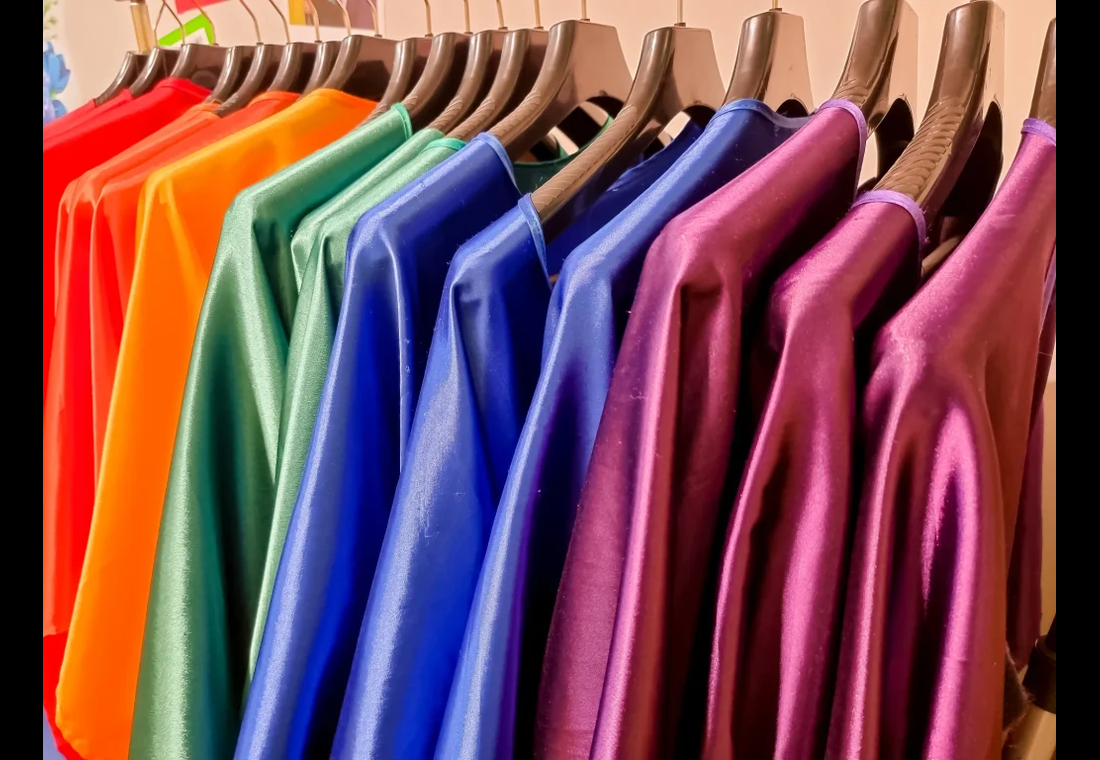
Acetate is a
manufactured cellulose-based fiber known for its smooth, often silky
appearance, elegant drape, and ability to create lightweight, refined fabrics.
It is especially common in linings, dresses, blouses, and other garments where
appearance and hand feel are important.
Although its starting material comes from natural cellulose,
the fiber is created by processing and modifying that cellulose. For this
reason, acetate is not classified as a natural fiber like cotton or linen.
----------------------------------------
What Is Acetate?
Acetate is a cellulose-based fiber usually made from
wood-derived cellulose. The cellulose is processed into a material suitable for
producing fine fibers, which are then used to make yarns and fabrics.
Its appearance can resemble silk, particularly in fine,
lustrous fabrics. This is one reason acetate is frequently used in elegant
garments and linings.
----------------------------------------
How Is Acetate Made?
Without going into complex chemical detail, acetate production can be described in a few basic stages:
1. Preparing the Cellulose
Production begins with cellulose, usually obtained from wood pulp.
2. Processing the Cellulose
The cellulose is specially treated and converted into cellulose acetate, the material from which the fiber will be formed.
3. Forming the Fibers
The material is dissolved and passed through very small openings to form fine continuous fibers.
4. Yarn Production
The fibers are gathered together to create yarns suitable for weaving or knitting.
5. Fabric Manufacturing and Finishing
The yarns are made into fabric, which can then be dyed or given different finishing treatments depending on the desired appearance and use.
----------------------------------------
Key Characteristics
Acetate stands out mainly for its appearance, drape, and the distinctive feel it can give a fabric.
Silky Appearance
It can have a smooth, lustrous surface that creates an elegant appearance often reminiscent of silk.
Elegant Drape
Acetate fabrics can have a fluid and graceful drape, making them useful for dresses, skirts, and linings.
Lightweight Feel
Many acetate fabrics are lightweight and pleasant to wear.
Low Moisture Absorption
Compared with several other cellulose-based fibers, acetate absorbs relatively little moisture and can dry more quickly.
Heat Sensitivity
The fiber is thermoplastic and requires care around high temperatures, particularly when ironing.
----------------------------------------
Advantages
· Elegant and often silky appearance.
·
Beautiful, fluid drape.
· Lightweight feel.
· Dries relatively quickly.
· Can be used to create highly lustrous and decorative fabrics.
· Works particularly well as a lining because of its smooth surface.
· Offers good wrinkle resistance in many fabric constructions.
----------------------------------------
Disadvantages
Acetate offers distinctive aesthetic qualities, but it
requires more careful use and maintenance than many other fibers.
·
Its strength decreases when wet.
·
Sensitive to high temperatures.
·
Certain cleaning products and solvents can
damage the fiber.
·
Usually not the first choice for garments that
require very frequent or intensive washing.
----------------------------------------
Common Uses
Acetate is mainly used in applications where an elegant appearance, smooth surface, and attractive drape are desired.
Apparel
·
Dresses
·
Blouses
·
Skirts
·
Evening and formalwear
·
Ties and accessories
Linings
·
Jacket linings
·
Coat linings
·
Dress and skirt linings
Decorative Applications
·
Decorative textiles
·
Ribbons and fashion details
·
Fabrics where a glossy or silky appearance is
desired
----------------------------------------
Why Is Acetate Blended with Other Fibers?
Acetate can be used in blended compositions to combine its
characteristic appearance and drape with the durability or other properties of
different fibers.
For example:
·
Acetate +
Polyester: Can combine acetate's smooth appearance with greater durability
and easier care.
·
Acetate +
Viscose: Can create fabrics with a soft feel and attractive drape.
·
Acetate +
Natural Fibers: Depending on the fabric construction, acetate may be used
to influence the appearance, texture, and drape of the finished material.
----------------------------------------
Care Instructions
Because acetate is more delicate than many other fibers,
proper care is particularly important:
·
Always follow the care instructions on the
specific product label.
·
Some acetate fabrics may require dry cleaning,
while others allow careful washing. The product's care label should always take
priority.
·
Avoid aggressive wringing or mechanical stress
when the fabric is wet.
·
Iron only at a low temperature and, where
appropriate, from the reverse side.
·
Keep the fabric away from very hot surfaces.
·
Avoid contact with acetone, which can severely
damage cellulose acetate fibers.
----------------------------------------
Frequently Asked Questions (FAQ)
Is acetate a natural fiber?
No. Its raw material is based on natural cellulose, but the cellulose is chemically modified through processing to create acetate fiber.
Is acetate the same as rayon or viscose?
No. They are related cellulose-based fibers, but they are not the same material. Acetate is made from chemically modified cellulose, while viscose is a regenerated cellulose fiber.
Why is acetate often used as a lining?
Its smooth surface and attractive drape help garments slide more comfortably over other clothing and move more freely.
Is acetate durable?
It has sufficient durability for suitable applications, but it is not as resistant to abrasion and hard wear as fibers such as polyester. It also requires more care when wet.
Can acetate be ironed?
Yes, but only carefully and at a low temperature, always following the care label.
----------------------------------------
Summary
Characteristic |
Rating |
Durability |
⭐⭐⭐☆☆ |
Breathability |
⭐⭐⭐☆☆ |
Moisture Absorption |
⭐⭐☆☆☆ |
Elasticity |
⭐⭐☆☆☆ |
Wrinkle Resistance |
⭐⭐⭐⭐☆ |
Ease of Care |
⭐⭐☆☆☆ |
Drying Speed |
⭐⭐⭐⭐☆ |
Drape / Elegant Appearance |
⭐⭐⭐⭐⭐ |
----------------------------------------
Discover Acetate Fabrics
If you're looking for fabrics with a smooth surface, elegant
drape, and distinctive appearance, explore our selection of fabrics containing
acetate. It is a fiber particularly associated with linings and applications
where the look and feel of the fabric play a leading role.
----------------------------------------
Related Products
➡️ 1. Lining Acetate Single-Colored - 150cm
Material: Lining, Pattern: Single-Color, Material Type: Semi-Organic, Elasticity: Non-Elastic, Composition: 100% Acetat
➡️ 2. Embroidery with Knitted Beads Acetat Multi-Colored - 120cm
Material: Embroidery, Pattern: Multi-Color, Material Type: Semi-Organic, Elasticity: Non-Elastic, Composition: 100% Acetat
➡️ 3. Lace with Border & Circles Acetat Single-Colored - 130cm
Material: Lace, Pattern: Single-Color, Material Type: Semi-Organic, Elasticity: Non-Elastic, Composition: 100% Acetat
----------------------------------------
Discover more here